
Turning Building Data into Smarter Capital Decisions
ASHRAE Level 2 Energy Audits

Direct oversight by a licensed PE and CEM®, from site visit through final reporting
Hands-on evaluation of HVAC, lighting, controls, and major energy systems
Audit results structured for incentives, regulations, and upgrade planning
Why Partner With Elliott Energy
for ASHRAE Level II Audits

Experience with complex facilities
Elliott Energy has performed hundreds of energy audits across commercial, institutional, and industrial buildings where systems interact and operating conditions vary. This experience informs how Level II audits are scoped, focusing effort where detailed analysis will meaningfully affect upgrade decisions.

A flexible audit framework
ASHRAE Level II audits often evolve as new conditions, constraints, or upgrade paths emerge. Elliott Energy uses an in-house audit and modeling framework that allows systems, assumptions, and scenarios to be evaluated without rebuilding the analysis from scratch.

Led end-to-end by a licensed engineer
Each audit is led throughout by a licensed Professional Engineer and Certified Energy Manager. The same engineer who conducts the site visit is responsible for the analysis and final deliverables, ensuring recommendations are based on firsthand understanding of the building and its constraints.
$5.5M+ in Annual Utility Cost Savings
Measured Across Featured Commercial, Institutional, and Industrial Projects
Below are selected examples of featured facilities where ASHRAE Level II audits identified Energy Conservation Measures (ECMs), evaluated Energy Usage Intensity (EUI), and quantified annual energy and cost savings based on observed operating conditions.
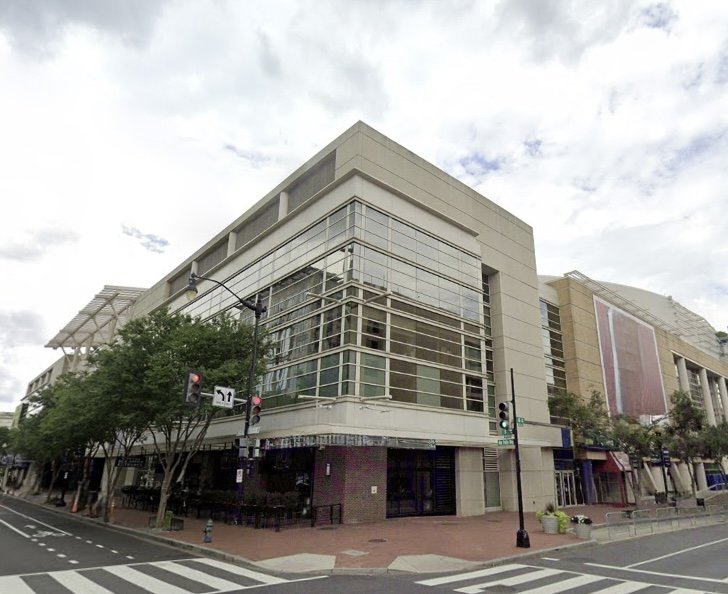
Analyzed a large, multi-use facility to identify energy conservation measures capable of delivering substantial savings across highly variable operating conditions.
$3M in annual savings potential
24 ECMs identified
12M kWh electricity savings
Sports Arena | 700,000 ft²
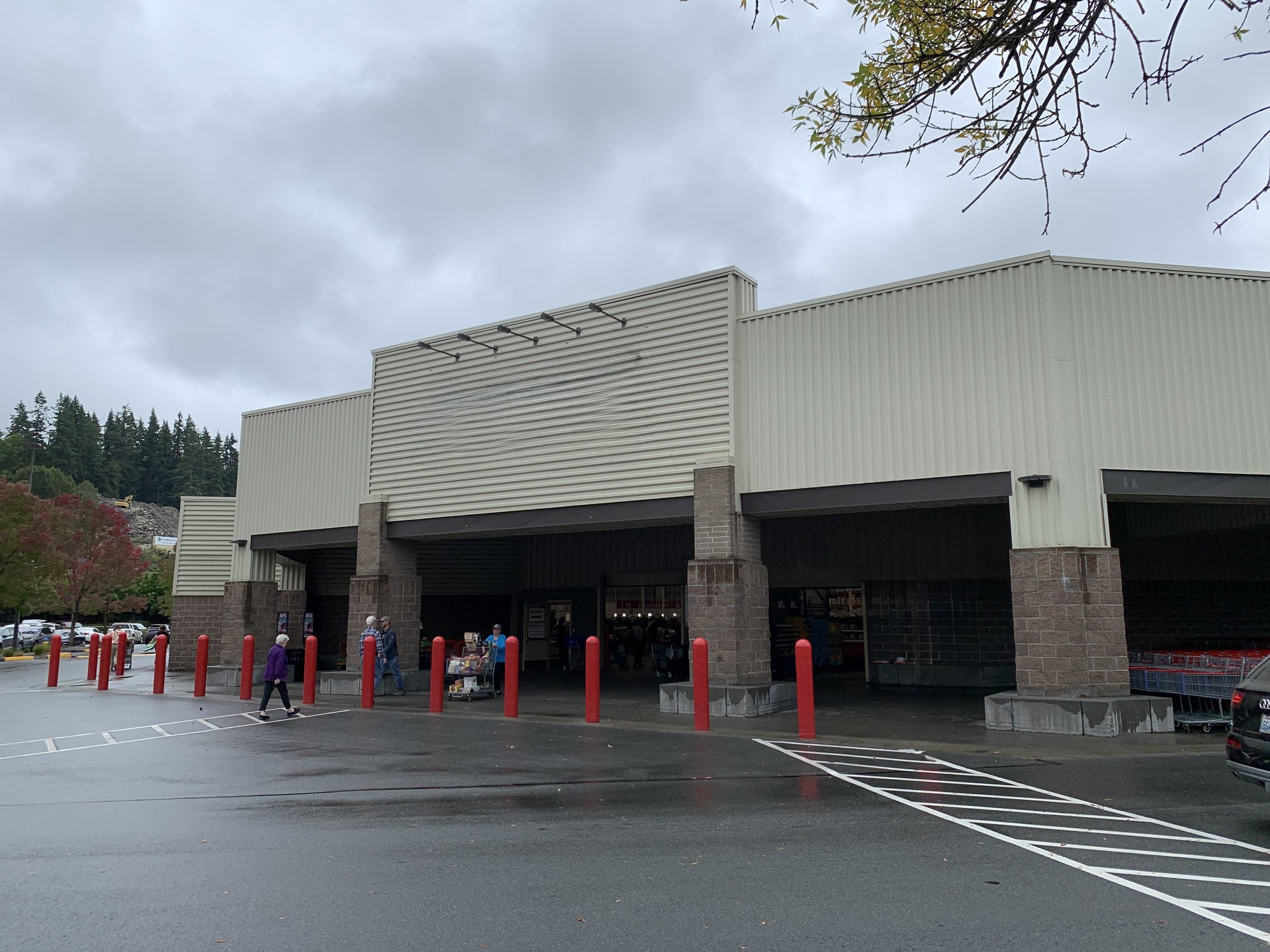
Helped prioritize upgrades across multiple locations, allowing ownership to focus capital where returns were highest.
$650k in estimated annual cost savings
20–25 ECMs identified per site
3.5M kWh average annual electricity savings
EUI range: 109–200
Retail Store Portfolio | 11 Locations
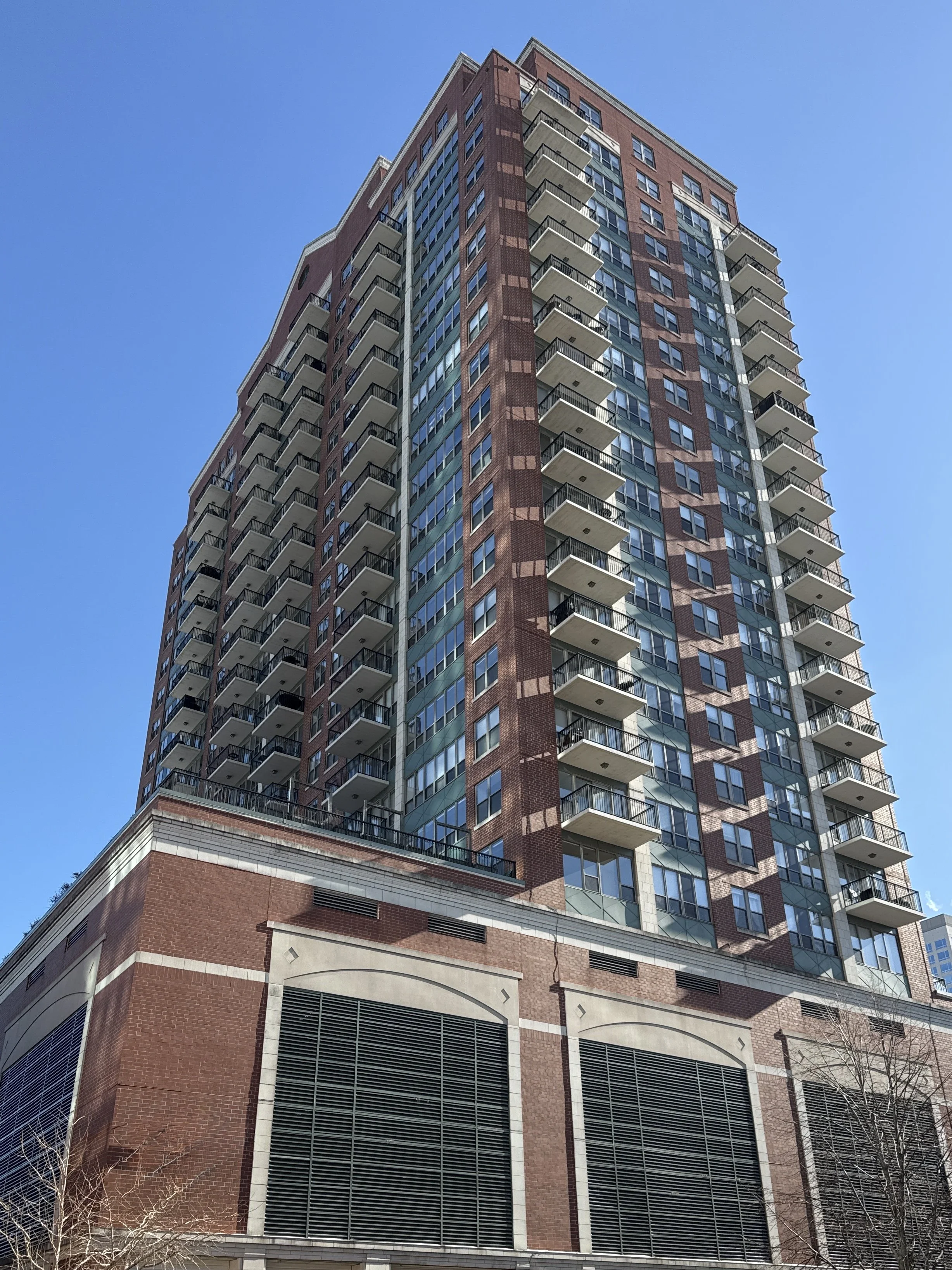
Identified system-level upgrades that delivered measurable savings while supporting long-term planning for a high-density residential asset.
$250k in estimated annual utility cost savings
12 ECMs identified
2.5M kWh electricity savings annually
EUI: 72
Multifamily Residence | 300,000 ft²
Environmental Impact Identified
Through Featured Energy Audits
Our featured projects have identified approximately 30M+ kWh in annual electricity savings, translating into millions of kilograms of CO₂ emissions reductions each year. These results are grounded in observed operating conditions and system-level modeling within each facility.
Across large, high-consumption buildings such as arenas, multifamily residences, and retail portfolios, targeted upgrades to HVAC, lighting, and controls can produce measurable carbon reductions year after year. The combined annual emissions reductions from these featured projects (calculated using standard EPA conversion factors) are equivalent to the following:

≈ 6,600 Vehicles
Equivalent annual emissions off the road*

≈ 1,200,000 Trees
Annual carbon absorption equivalent*

≈ 70,000 Barrels of Oil
Combustion emissions avoided annually
Built to Evaluate What Matters Most
Our Rigorous Approach to ASHRAE Level II Energy Audits
Elliott Energy’s Level II audits are structured around a modular modeling and analysis framework developed through years of field experience.
Assumptions, systems, and ECMs can be updated without rebuilding the analysis
Multiple upgrade paths can be evaluated side-by-side
Additional utility data or site findings can be incorporated as the project evolves
This structure allows the audit to go deeper where needed, supporting Informed capital improvements rather than one-time documentation.
Who We Work With Directly
Trusted by Owners, Engineers, and Portfolio Leaders

Owners of commercial, institutional, and industrial facilities who need clear direction on where to invest capital.
Level II audits help prioritize upgrades, quantify savings, and align improvements with long-term asset strategy.
Building Owners & Asset Managers
Operations leaders responsible for HVAC, lighting, controls, and central plant performance.
Audits provide system-level analysis tied to observed operating conditions, not just design assumptions.
Facilities Directors & Chief Engineers
Teams coordinating upgrades across multiple properties.
Level II audits support ENERGY STAR® benchmarking, capital allocation decisions, and consistent evaluation methods across sites.
Portfolio & Multi-Site Managers
Organizations preparing for regulatory or disclosure requirements such as Philadelphia BEPP, Local Law 87, or ENERGY STAR reporting.
Audits provide the documented analysis and quantified savings needed to support reporting, planning, and internal approvals.
Compliance & Sustainability Leads
What an ASHRAE Level II Energy Audit Looks Like
With Elliott Energy
A Level II audit follows a structured progression, moving from understanding how the building performs today to modeling practical upgrade scenarios.
1. Utility and Baseline Review
Historical electric and fuel data are analyzed to establish energy usage patterns, demand characteristics, and performance benchmarks.
3. ECM Development
Targeted improvement opportunities are identified based on site findings and system interactions rather than generic assumptions.
5. Incentive and Implementation Alignment
Where applicable, available utility incentives and regulatory considerations are incorporated into the evaluation to clarify viable implementation paths.
2. On-Site System Investigation
Major systems such as HVAC equipment, lighting, controls, pumps, ventilation, and central plant components are evaluated under actual operating conditions. Field observations determine where deeper analysis is warranted.
4. Energy and Financial Modeling
Each recommended measure is modeled to estimate energy savings, utility cost impact, and projected payback using building-specific inputs.
6. Structured Final Deliverable
Results are presented in a technical report suitable for capital planning, internal review, and regulatory or disclosure requirements.
Frequently Asked Questions
About Our ASHRAE Level II Audit Services
-
Typically recent utility bills, any available building drawings, and access to major systems during the site visit. Your engineer will outline exactly what’s needed at each stage so the process stays straightforward and organized.
-
Many organizations pursue a Level II audit to identify cost-effective upgrades, support capital planning, or meet regulatory requirements such as Philadelphia BEPS or similar programs. If you need quantified savings tied to real building conditions, a Level II audit is often the appropriate level of analysis.
-
Cost depends on square footage, system complexity, available data, and the depth of modeling required for decision-making or compliance.